Understanding Macronutrients
A detailed exploration of carbohydrates, proteins, and fats—their chemical structure, metabolic roles, and dietary sources.
What Are Macronutrients?
Macronutrients are nutrients required in large quantities by the body. They provide energy, build tissues, and regulate physiological processes. All three macronutrients are essential for health.
Carbohydrates: Energy and Beyond
Structure and Classification
Carbohydrates are organic compounds composed of carbon, hydrogen, and oxygen. They are classified by their structure and how the body processes them:
Simple Carbohydrates: Small molecules including monosaccharides (glucose, fructose) and disaccharides (sucrose, lactose). Found in fruits, honey, and dairy.
Complex Carbohydrates: Polysaccharides made of long chains of glucose. Include starches and fiber, found in whole grains, legumes, and vegetables.
Metabolic Role
Carbohydrates are broken down into glucose, which serves as the primary fuel for the brain and muscles. The body stores excess glucose as glycogen in the liver and muscles for later use.
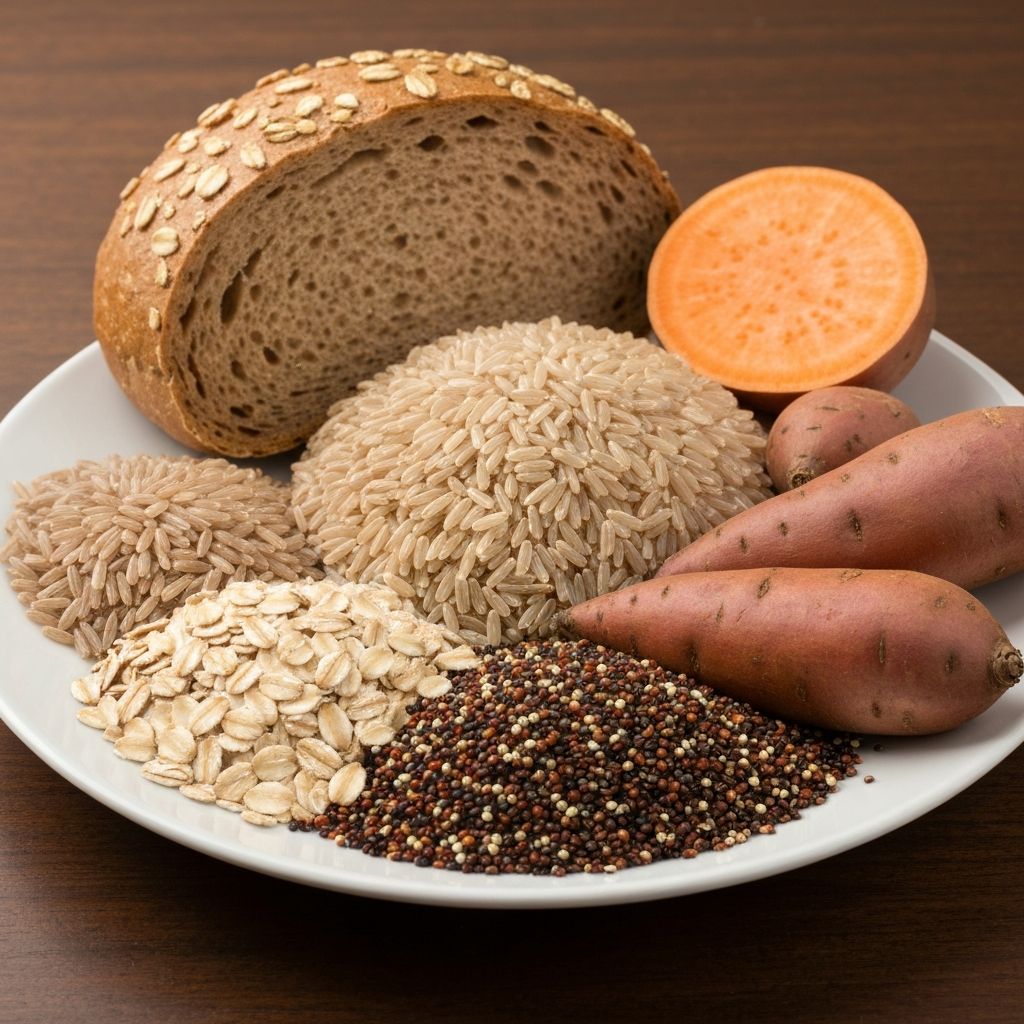
Common Carbohydrate Sources
| Carbohydrate Type | Examples | General Characteristics |
|---|---|---|
| Whole Grains | Brown rice, oats, whole wheat | Rich in fiber, sustained energy release |
| Legumes | Lentils, chickpeas, beans | High in fiber and protein, nutrient-dense |
| Vegetables | Sweet potatoes, broccoli, carrots | Rich in micronutrients, low calorie density |
| Fruits | Apples, bananas, berries | Natural sugars, fiber, vitamins, antioxidants |
Proteins: Building Blocks of Life
Structure and Function
Proteins are complex molecules composed of amino acids. The body contains approximately 20 different amino acids, of which 9 are essential—meaning they must be obtained from food.
Proteins serve multiple functions:
- Build and repair tissues, including muscle
- Create enzymes that catalyze biochemical reactions
- Form antibodies for immune function
- Transport nutrients and hormones
- Provide structure to cells and tissues
Protein Quality and Sources
Protein quality is determined by amino acid composition and digestibility. Complete proteins contain all 9 essential amino acids, while incomplete proteins lack one or more.
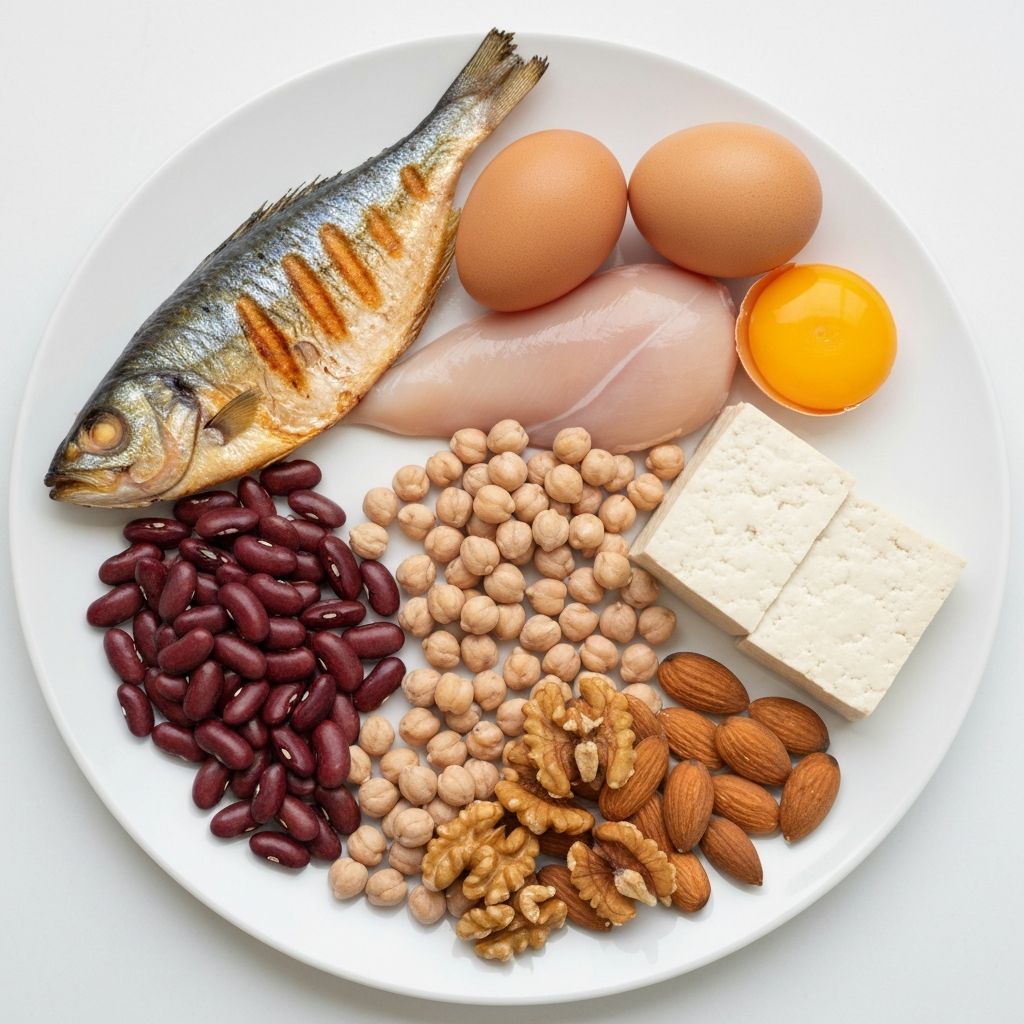
| Protein Source | Type | Key Nutrients |
|---|---|---|
| Fish & Seafood | Animal - Complete | Omega-3 fatty acids, vitamins, minerals |
| Poultry | Animal - Complete | Lean protein, B vitamins, selenium |
| Eggs | Animal - Complete | Choline, lutein, all amino acids |
| Legumes | Plant - Often Incomplete | Fiber, iron, magnesium, polyphenols |
| Nuts & Seeds | Plant - Often Incomplete | Healthy fats, minerals, plant compounds |
Fats: Essential for Function
Types of Dietary Fats
Fats are lipids composed of fatty acids and glycerol. Understanding the different types helps explain why dietary fat composition matters:
Unsaturated Fats: Liquid at room temperature. Include monounsaturated and polyunsaturated fats. Common in nuts, seeds, oils, and fatty fish.
Saturated Fats: Solid at room temperature. Found in animal products and some plant oils. Less processed in the body than unsaturated fats.
Trans Fats: Artificially created through hydrogenation. Largely avoided in modern food systems due to their metabolic effects.
Metabolic Roles
- Provide concentrated energy (9 calories per gram)
- Support hormone and neurotransmitter production
- Enable absorption of fat-soluble vitamins (A, D, E, K)
- Provide insulation and organ protection
- Reduce inflammation when from healthy sources
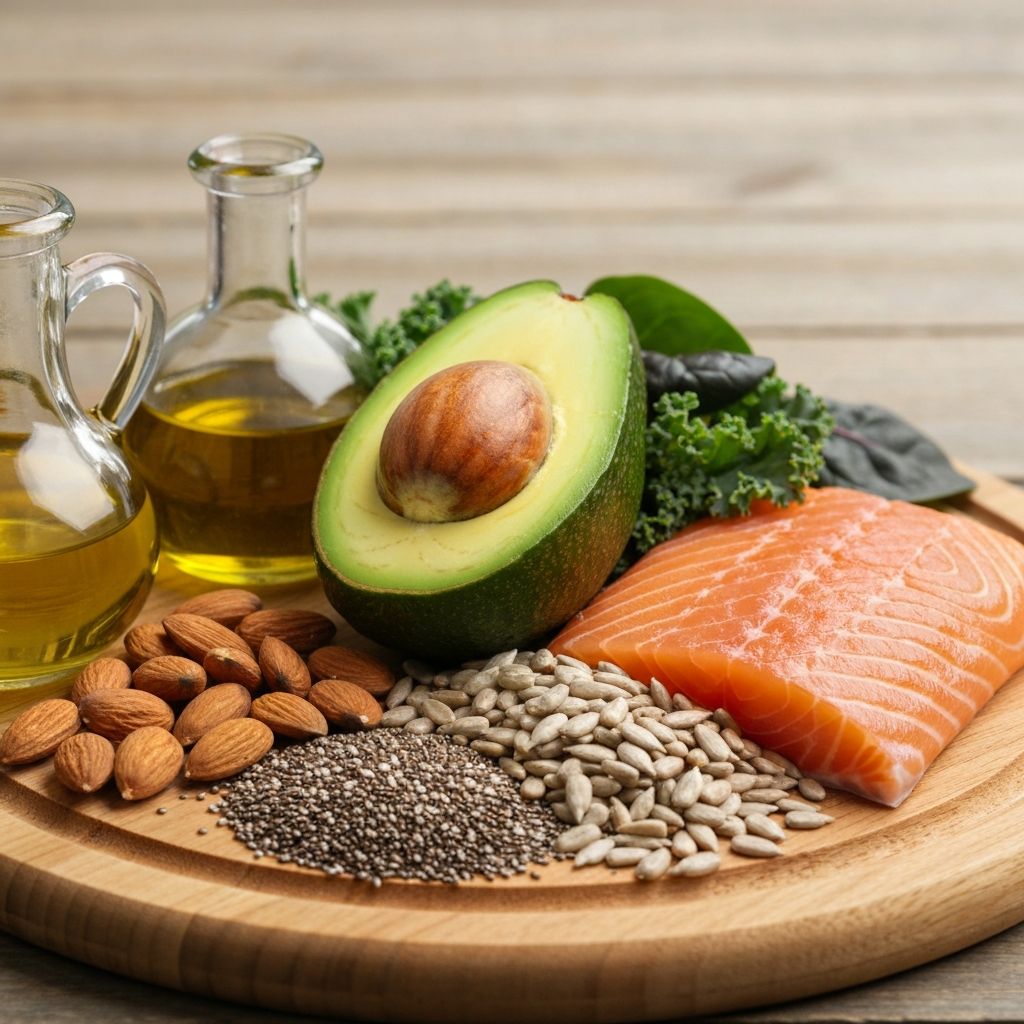
Fat Sources and Profiles
| Fat Source | Predominant Type | Nutritional Context |
|---|---|---|
| Olive Oil | Monounsaturated | Polyphenols, anti-inflammatory compounds |
| Nuts & Seeds | Mixed (Mono & Poly) | Protein, fiber, minerals, plant compounds |
| Fatty Fish | Polyunsaturated (Omega-3) | EPA, DHA, protein, vitamins |
| Avocados | Monounsaturated | Potassium, fiber, folate |
| Animal Products | Saturated & Unsaturated | Protein, vitamins, minerals |
Macronutrient Balance
Individual macronutrient needs vary based on age, activity level, health status, and personal preferences. There is no single "perfect" ratio.
General Principles
- All three macronutrients are necessary
- Whole food sources provide additional nutrients and fiber
- Individual tolerance and preference matter
- Consistency is more important than perfection
- Adjustments should align with activity and health goals
Considerations for Variety
- Different sources provide different micronutrients
- Plant and animal sources complement each other
- Seasonal variation supports dietary diversity
- Cultural food traditions often reflect balanced patterns
- Individual digestion and tolerance vary